

You Don't Have to Make Every Day Magical: The Beauty of Simply Showing Up
For the parents who are tired, touched out, running out of ideas, or just looking for somewhere to go today—this is for you.
Some days, parenting feels magical.
The belly laughs. The spontaneous hugs. The little voice telling you a story that makes absolutely no sense but somehow makes your whole day.
And other days? You're counting down until nap time. You've reheated your coffee three times. You've heard “Mom!” approximately 400 times before 9 a.m., and the thought of coming up with another activity feels exhausting.
If you've ever felt like you should be doing more to make your child's days meaningful, you're not alone.
Somewhere along the way, it can start to feel like childhood needs to be filled with enriching activities, perfectly planned outings, creative crafts, and memorable experiences. We see the beautiful moments other families share, and it's easy to wonder whether we're doing enough.
But here's your reminder: You don't have to make every day magical. You just have to show up.
Your child doesn't need a perfectly planned day
Young children don't need elaborate activities or a new adventure every morning. They need opportunities to explore, space to be curious, and people who make them feel safe and loved.
Sometimes, the most meaningful moments happen when we're not trying to make anything special happen at all.
It's building the same tower for the hundredth time because your toddler loves knocking it down. It's watching your preschooler spend twenty minutes examining a leaf. It's sitting on the floor while your child plays nearby, even if you're mentally making a grocery list.
It's the ordinary, everyday moments that add up.
Play doesn't have to be Pinterest-worthy to be valuable. An outing doesn't have to be educational to be worthwhile. And you don't have to turn every experience into a learning opportunity.
Sometimes, children just need to play.
And sometimes, parents just need a little breathing room.
Both things can be true.
Getting out of the house is about more than getting out of the house
When you're home with little ones, the days can feel long in a way that's difficult to explain to someone who hasn't experienced it.
You can love your children more than anything in the world and still need a change of scenery. You can feel grateful for time with your kids and still crave adult conversation. You can want to give your child wonderful experiences and still have absolutely no energy to plan one.
There is no contradiction in any of that.
Sometimes, getting out of the house isn't about finding the perfect activity. It's about breaking up the day.
It's having somewhere to go when the morning feels endless. It's letting your child explore something new while you sit for a minute. It's seeing another parent and exchanging a knowing smile because their toddler is having the exact same kind of day as yours.
Maybe you make a friend. Maybe your child discovers a new favorite toy. Maybe you simply get out, play for a while, and head home feeling a little lighter.
That counts, too.
We believe that accessible places for families to gather matter because parenting can feel isolating, especially in the early years. Sometimes, the most helpful thing isn't another parenting tip or a new activity idea. It's having a place where you feel welcome, just as you are.
Your village doesn't have to look the way you imagined
We hear a lot about the importance of having a village when you're raising children. But what happens when you don't have family nearby? When your friends are in different stages of life? When making plans feels harder than staying home? Or when you're new to an area and don't know where to begin?
Building community as a parent doesn't always happen naturally. Sometimes it takes showing up in the same places, seeing familiar faces, and letting small conversations turn into connections.
It might start with a simple “How old is your little one?” It might be sharing a laugh over a toddler's determination to do everything independently. It might be realizing that another parent understands exactly what you're going through.
You don't have to arrive with a friend group. You don't have to be outgoing. You don't have to know anyone.
You can come as you are.
Community is built in small moments, and every family deserves opportunities to find it.
Let play be play
We know how much children learn through play. They experiment, communicate, move their bodies, solve problems, practice independence, and begin to understand the world around them.
But we also believe play deserves to be protected from the pressure to accomplish something.
Children don't need every moment of play to have a goal. They don't need to master a skill, produce a project, or demonstrate progress every time they explore.
They need room to follow their interests, try things in their own way, and discover what feels good to them.
Some children jump right into a new environment. Others need time to watch from the sidelines. Some want to climb, run, and explore every corner. Others are happiest repeating a familiar activity.
There is room for all of it.
And there is room for parents who need a little support along the way, too.
At Raise Playspace & Therapy Co., we believe children deserve spaces where they can be themselves, and parents deserve spaces where they feel supported rather than judged. Whether your family is looking for everyday play, opportunities to connect, or additional developmental support, our hope is to help make those resources feel a little more accessible.
Because supporting children means supporting the people raising them.
A little reminder for the days that feel long
If today has been hard, you don't need to make up for it with an extraordinary tomorrow.
You don't need to plan a big outing, create a beautiful sensory activity, or find a way to make every minute count.
Maybe tomorrow you go to the playground. Maybe you visit a playspace. Maybe you invite a friend over. Maybe you stay home in your pajamas and play on the living room floor.
There is no single right way to spend a day with your child.
You are allowed to enjoy parenting and find it exhausting. You are allowed to love being with your children and need time away. You are allowed to want more connection, more support, and more places where you can simply show up without having everything figured out.
And your child doesn't need a perfect parent or a perfect childhood.
They need the everyday experience of being loved, supported, and given room to grow.
That is more than enough.
We're glad you're here
At Raise Playspace & Therapy Co., our vision is about more than creating a place for children to play. It's about helping families find connection, making developmental support easier to access, and building a community where children and caregivers feel welcome through all the different seasons of parenting.
We want Raise to be one of those places you can turn to when you need somewhere to go, someone to connect with, or support navigating your child's next step.
Whether you're a familiar face or visiting for the first time, whether your child is ready to jump into the action or needs a little time to warm up, there is space for you here.
So take a breath. Let go of the pressure to make every day extraordinary. Find the little moments when you can, and give yourself grace when you can't.
And if you need somewhere to go this week, we'd love to welcome you to Raise.
Come play, connect, and be part of our village. You don't have to do it all alone.
With warmth,
Amanda and the Raise Playspace & Therapy Co. team
Why Play Is More Than “Just Play”
Why Play Is More Than “Just Play”
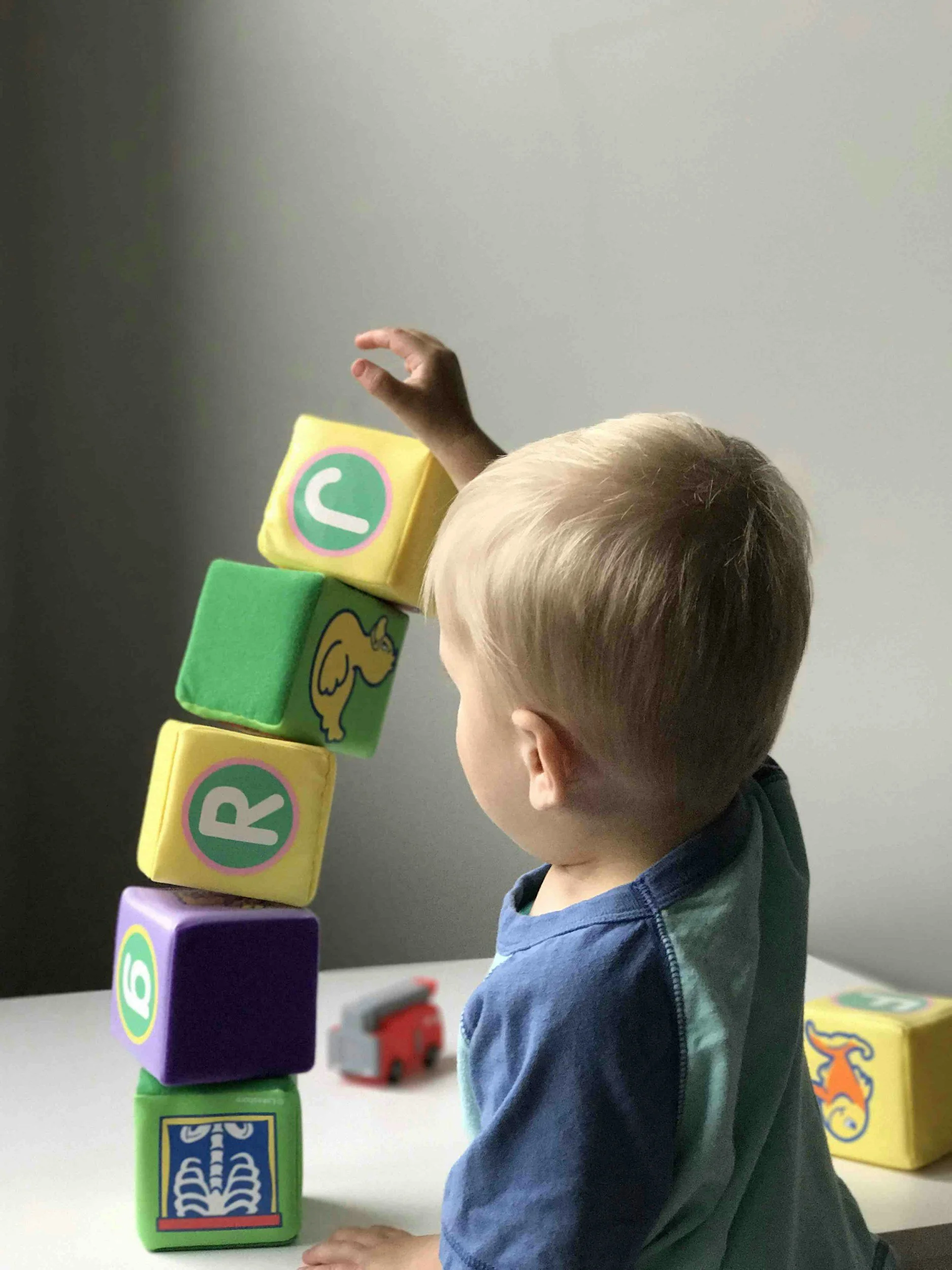
If you’ve ever watched your child build the same tower over and over again, dump out every toy in the room, pretend the couch is a pirate ship, or spend twenty minutes climbing, jumping, and crashing into pillows, you may have wondered:
What are they actually doing?
The answer is: a lot.
At Raise Playspace & Therapy Co., we believe play is one of the most important jobs of childhood. It may look messy, silly, loud, or completely unstructured—but underneath all that fun, children are learning, growing, connecting, and developing essential skills.
Play Builds Growing Brains
Children learn best when they are actively engaged with the world around them.
Through play, children practice problem-solving, creativity, decision-making, and flexible thinking. When a block tower falls down, they learn to try again. When they pretend to run a restaurant, they practice communication and imagination. When they figure out how to climb to the top of something challenging, they build confidence and persistence.
These experiences may seem small, but they add up to something big.
Play helps children learn how to learn.
Movement Matters
Children aren't meant to sit still all day.
Running, climbing, jumping, crawling, balancing, and exploring help children develop more than just strong muscles. Movement supports coordination, body awareness, motor planning, confidence, and sensory development.
That’s one reason we believe children need opportunities to move their bodies in meaningful ways—not just structured exercise, but opportunities to explore what their bodies can do.
Sometimes the best learning happens when kids are upside down, covered in bubbles, building a fort, or jumping off something for the hundredth time.
Play Supports Social and Emotional Development
Play is also where children practice being human.
They learn how to take turns, share ideas, handle disappointment, communicate their needs, solve problems with friends, and navigate big feelings.
Of course, these skills don't always develop perfectly. Sometimes play includes disagreements, frustration, tears, and lots of reminders.
That's okay.
Those moments are part of the learning, too.
Children need safe spaces to practice social skills—not spaces where we expect them to already have everything figured out.
Unstructured Play Is Important, Too
We love classes, activities, and opportunities for children to learn new skills. But we also believe children need time without an adult directing every moment.
When children have the freedom to choose what to play, how to play, and how long to stay engaged, they develop independence and creativity.
They learn to follow their own ideas.
In a world where childhood can sometimes feel overscheduled and rushed, we want to protect space for children to simply be children.
To play without a goal.
To move without being told where to go.
To imagine without being given all the answers.
Our Philosophy at Raise
Raise was created around the belief that supporting children doesn't have to mean constantly preparing them for the next thing.
Childhood isn't simply a waiting room for kindergarten, school, or adulthood.
Childhood matters right now.
Yes, we want children to develop skills. Yes, we want to support their growth and help families navigate challenges. And yes, we believe therapy and developmental support can be incredibly valuable.
But we also believe in joy.
In connection.
In movement.
In curiosity.
In messy play and big imaginations.
At Raise Playspace & Therapy Co., we're building a community where play and development can exist together—where children can explore, families can connect, and support is available when it's needed.
Because play isn't “just play.”
It's how children discover who they are and how the world works.
And we think that's worth protecting.
Come Play With Us
Whether you're looking for a place to get out of the house, help your child connect with other kids, support their development through play, or simply enjoy a little more joy in your family's routine, we'd love to welcome you to Raise.
Come explore, move, imagine, connect, and play.
Because childhood deserves space to grow.

Routines matter more than you think.
-
Our memberships make it easy to build healthy habits while giving your child a place to learn, play, and connect all year long. Learn more about our memberships!
Why Routines Matter More Than You Think
As parents, we often think of routines as a way to make mornings smoother or bedtime a little less chaotic. But for children, routines are so much more than a schedule—they create the foundation for confidence, learning, and emotional well-being.
When children know what to expect, they feel safe. Predictable routines reduce anxiety, build independence, and help children transition more easily throughout the day. Whether it's reading a book before bed, taking a daily walk, or visiting the same play space each week, these consistent experiences help children thrive.
Weekly outings are especially valuable. They give children opportunities to:
Practice social skills with peers.
Build gross motor strength through active play.
Explore new activities in a familiar environment.
Develop confidence through repetition and routine.
Create positive memories with the adults they love.
Just as importantly, routines support parents, too. Having a dedicated place to go each week means less planning, more connection, and a built-in activity everyone can look forward to.
At Raise, we hope to become part of your family's weekly rhythm. Whether you stop in after preschool every Tuesday, join a Friday morning class, or make Saturday family playtime a tradition, those consistent visits help children feel comfortable, confident, and excited to learn through play.
The magic isn't in one visit—it's in coming back again and again. Friendships grow. Skills develop. Confidence builds. Children begin to feel like they belong.
Looking to make play part of your weekly routine? Our memberships offer unlimited play, exclusive perks, and the flexibility to visit whenever it works for your family. We'd love to welcome you into the Raise community.

Blog Post: The 4 Month Sleep Regression
Guest Post By Local Sleep Expert, Shannon Parker of Calm and Sleepy
As expecting parents eagerly await the arrival of their little ones, they often hear about the joys and challenges of parenthood. One topic that frequently arises is the infamous 4-month sleep regression. But what exactly is it, and how can you navigate through it without feeling overwhelmed?
Firstly, it’s essential to reframe our perspective on this phase. Rather than viewing it as a regression, consider it a developmental progression. At around four months of age, your baby is undergoing significant changes in their sleep patterns and habits. They are starting to develop a fully functioning circadian rhythm and natural hormones like melatonin and cortisol are playing a role in regulating their sleep-wake cycles.
One of the key changes during this period is the shift towards a more predictable sleep environment and routine. While newborns may have been more adaptable to sleeping anywhere and anytime, babies around the four-month mark often begin to show preferences for specific sleep environments. As parents, we can gently guide them toward healthy sleep habits by establishing consistent patterns and sleep spaces that promote feelings of safety and comfort.
It’s important to note that every baby is different, and the timing and intensity of the 4-month sleep regression can vary from one child to another. While some babies may experience it closer to the three-month mark, others may not show signs until they are closer to six months old. Understanding and accepting these individual differences can help alleviate some of the stress and uncertainty surrounding this phase.
One strategy for navigating through the 4-month sleep regression is to pay attention to your baby’s sleep signals and cues. While newborns may have displayed obvious signs of tiredness, such as rubbing their eyes or yawning, these cues may become less apparent as they grow older. Instead, parents can look for more subtle signs of sleepiness, and offer sleep when they sense that their baby’s sleep pressure is just right.
Additionally, as babies approach the four-month mark, they may start to develop more structured sleep patterns and preferences. While they may not adhere to strict schedules, they do have natural sleep needs based on their age, such as the length of time they can comfortably stay awake and the amount of daytime and nighttime sleep they require. By understanding these sleep needs and creating a conducive sleep environment, parents can help their babies establish healthy sleep habits.
The 4-month sleep regression is a natural and temporary phase in your baby’s development. By reframing our perspective and understanding the changes taking place, parents can navigate through this period with confidence and patience.

Blog Post: Picky Eating
Mealtime battles with picky eaters are a common struggle for many parents. From toddlers to teenagers, picky eating can test even the most patient caregivers. However, with the right strategies, mealtime can become less stressful and more enjoyable for the whole family. Here are some effective tactics to help you navigate picky eating and foster healthier eating habits in your children.
Create a Positive Mealtime Environment:
Establish a relaxed atmosphere during meals. Avoid pressuring your child to eat or using mealtime as a battleground. It’s never too early to light a candle and set a chill mood :)
Encourage positive conversation and avoid focusing solely on the food. Engage your child in discussions about their day or topics they find interesting. PLAY is allowed at meal times! My kids love eye spy, guessing games, and pretend play at dinner.
If you do want to talk about food I recommend starting with the five senses. “This broccoli is warm, crunchy, salty, and green.”
Offer a Variety of Foods:
Introduce new foods gradually, alongside familiar favorites. Encourage your child to explore different flavors and textures at their own pace. Label different tastes and textures so your child can build upon things they like. “This carrot is crunchy like the snap peas you like. “
Get creative with the presentation. Arrange foods in fun shapes or incorporate colorful ingredients to make meals more appealing to picky eaters. (Google “Dino Volcano Dinner” )
Involve Children in Meal Preparation:
Let your child help with meal preparation, such as washing vegetables, stirring ingredients, or setting the table. This can increase their interest in the food and make them more likely to try it.
Consider starting a small vegetable or herb garden together. Children are often more willing to try foods they've grown themselves.
Set a Good Example:
Be a role model for healthy eating habits. Show enthusiasm for trying new foods and demonstrate balanced eating choices.
Avoid making negative comments about certain foods in front of your child, as this can influence their attitudes toward those foods. “Don’t yuck my yum” :)
Be Patient and Persistent:
Understand that it may take time for your child to accept new foods. Be patient and continue offering a variety of options without pressure or coercion. Research shows a child takes 8 to 15 exposures to a new food just to enhance acceptance of that food.
Celebrate small victories. Praise your child for trying new foods or for eating a balanced meal, even if they don't finish everything on their plate.
Establish Routine and Structure:
Stick to regular meal and snack times to help regulate your child's appetite and prevent grazing throughout the day. Proving protein and fiber in your child’s snacks will help curb hunger until the next meal time.
Limit distractions during meals, such as television or electronic devices, to encourage focus on the food.
Seek Professional Help if Needed:
If picky eating persists and significantly affects your child's health or well-being, consider seeking guidance from a pediatrician or a registered dietitian.
These professionals can offer personalized advice and strategies to address underlying issues contributing to picky eating.
Dealing with picky eating can be challenging, but with patience, persistence, and a positive attitude, you can help your child develop healthier eating habits. By using these tips parents can empower their picky eaters to explore new foods and enjoy a more balanced diet. Remember, every small step toward trying new foods is a step in the right direction.

Blog Post: What’s in my hospital bag?
It all begins with an idea.
Whether you're a first-time parent or adding to your growing family, having a well-prepared hospital bag can help ensure a smoother and more comfortable birthing experience. Here's a handy checklist of essentials to pack in your hospital bag:
Personal Identification and Medical Documents: Don't forget to bring your ID, insurance information, and any necessary medical documents, such as your birth plan, prenatal records, and hospital registration forms.
Comfortable Clothing: Pack loose, comfortable clothing for yourself to wear during labor and postpartum. Consider bringing a couple of nursing bras, comfortable underwear, and loose-fitting pajamas or nightgowns.
Toiletries: Bring your toiletries, including toothbrush and toothpaste, shampoo and conditioner, body wash or soap, moisturizer, lip balm, and hair ties or clips. Don't forget any personal items you might need, such as glasses, contact lenses, or makeup.
Snacks and Drinks: Labor can be a long process, so pack some snacks and drinks to keep your energy up. I’d opt for easy-to-pack snacks like granola bars and peanut butter crackers.
Comfort Items: Bring items that provide comfort and relaxation, such as a favorite pillow or blanket, a soothing playlist or meditation app, and massage oil or lotion for back rubs.
Phone Charger: Don't forget to pack a phone charger or portable power bank to keep your devices charged and ready to use for communication, capturing special moments, or staying connected with loved ones.
Baby Essentials: Pack a few essentials for your newborn, including a going-home outfit, receiving blankets, and a car seat for the trip home.
Comfort Measures for Partner: If your partner will be with you during labor, consider packing some comfort items for them as well, such as snacks, drinks, a change of clothes, toiletries, and entertainment.
Miscellaneous Items: Lastly, consider packing a few miscellaneous items that might come in handy, such as a nursing pillow, nipple cream, breastfeeding supplies, a camera, and a notebook or journal to jot down memories or important information.
Wishing you a safe and smooth delivery and a joyful welcome to your new bundle of joy!
Blog Post: Independent Play
It all begins with an idea.
In today's fast-paced world, it's easy for parents to feel the pressure to constantly entertain and engage their children. While structured activities and quality time together are important, there's also immense value in allowing children to engage in independent play. Let's explore why independent play is crucial for your child's development and well-being.
Foster Creativity and Imagination: When children engage in independent play, they have the freedom to explore their interests and express themselves creatively. Whether they're building forts out of blankets, creating imaginary worlds with dolls, or inventing new games, independent play encourages imagination and innovation.
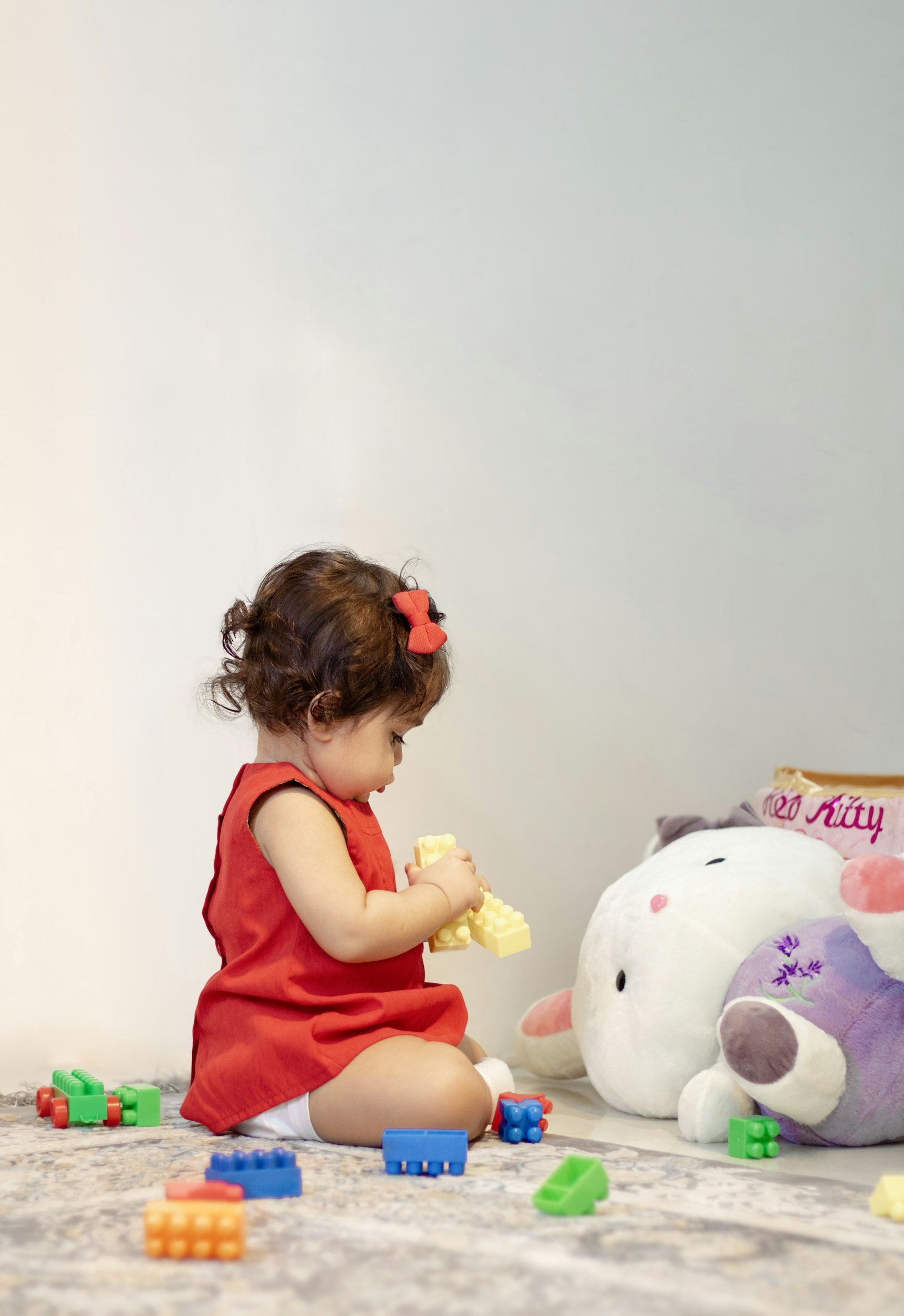
Develop Problem-Solving Skills: Without adults guiding their every move, children learn to navigate challenges and solve problems on their own during independent play. Whether it's figuring out how to stack blocks to build a tower or resolving conflicts with siblings during pretend play, these experiences help develop critical thinking and problem-solving skills.
Encourage Self-Regulation: Independent play teaches children to manage their emotions, impulses, and behavior without relying on external prompts or rewards. As they engage in activities that interest them, children learn to regulate their emotions, focus their attention, and persevere through challenges independently.
Build Confidence and Self-Esteem: When children engage in independent play and successfully overcome obstacles on their own, they develop a sense of competence and confidence in their abilities. This boosts their self-esteem and encourages them to take on new challenges with enthusiasm and resilience.
Cultivate Independence: Independent play allows children to develop a sense of independence and autonomy as they explore their interests and make choices without constant adult intervention. This sense of independence not only fosters self-reliance but also prepares children for future success in school and life.
Independent play is not just a way to keep children entertained—it's a valuable opportunity for them to learn, grow, and thrive. By encouraging independent play and providing a safe and stimulating environment for exploration, parents can help nurture their child's creativity, problem-solving skills, self-regulation, confidence, and independence. So, let's embrace the power of independent play and give our children the freedom to learn and play on their own terms.
Blog Post: I’m starting a blog!
It all begins with an idea.
Parenthood is an adventure unlike any other. From the moment you hold your newborn in your arms, to the countless milestones and challenges that follow, it's a journey filled with love, joy, and a fair share of uncertainty. Whether you're a first-time parent or a seasoned pro, having a reliable resource to turn to can make all the difference. That's where Raise Playspace comes in.
Welcome to Raise, your go-to destination for all things parenting, child development, life hacks, and more. We're thrilled to embark on this journey with you, offering insights, advice, and a supportive community to help you navigate the beautiful chaos of raising children.
What to Expect: At Raise Playspace, we understand that every parent and child is unique, which is why our content covers a diverse range of topics to cater to all families. Here's a glimpse of what you can expect from our blog:
Parenting Tips and Tricks: From effective communication strategies to discipline techniques, we'll provide practical advice to help you tackle the everyday challenges of parenting with confidence.
Child Development Insights: Understanding your child's physical, emotional, and cognitive development is key to fostering their growth and potential. We'll explore the latest research and expert insights to guide you through each stage of your child's journey.
Life Hacks for Busy Parents: Parenthood is a balancing act, juggling the demands of work, household chores, and family life. Our life hacks and time-saving tips will help you reclaim precious moments and make the most of your time with your little ones.
Expert Interviews and Q&A Sessions: We'll bring in leading experts in the fields of parenting, psychology, education, and more to share their knowledge and answer your burning questions.
Community Support: Parenthood can feel isolating at times, but you're never alone on this journey. Join our community of like-minded parents to connect, share experiences, and offer support and encouragement along the way.
Why Raise Playspace? With countless options out there, you might be wondering what sets us apart. Here are a few reasons why we believe we're your ultimate parenting resource:
Trusted Information: Our content is carefully curated and backed by research and expert advice, so you can trust that you're getting reliable information you can rely on.
Real-World Perspective: As a parent myself, I understand the joys and challenges of raising children firsthand. Our content is infused with real-world experiences and insights to make it relatable and relevant to your everyday life.
Interactive and Engaging: Raise Playspace isn't just a blog—it's a community. We encourage you to visit us in person to play, learn, and party! Whether on the blog or in the playspace you’ll find a supportive and engaging environment for all parents.
Join the Raise Playspace Community Today! Whether you're seeking practical parenting advice, eager to learn more about child development, or simply looking for a supportive community of fellow parents, Raise has something for everyone. So, grab a cup of coffee, settle in, and let's enjoy the ride of parenthood tog